For Amazon, Walmart & TikTok Shop sellers
CPSC Product Recalls: What Sellers Need to Know
The Consumer Product Safety Commission issues hundreds of recalls every year. If you sell consumer products in the U.S., recalls in your category are a direct signal of compliance risk. Tracking them helps you avoid selling defective products, understand what testing labs and Amazon are looking for, and protect your business.
Quick Answer
CPSC recalls about 300-400 products per year. If a product in your category is recalled, it means that hazard type is on the CPSC's radar. You should verify your product doesn't share the same defect, review your test reports, and ensure your compliance documentation is current. Selling a recalled product carries fines up to $100,000 per violation.
This Week's Recalls
See what products were recalled in the last 7 days and what it means for sellers in those categories.
View this week's recallsWhy Recalls Matter for Sellers
Recalls signal enforcement priorities
When CPSC recalls a product, it tells you what hazard types they're actively pursuing. If a button battery toy is recalled for ingestion risk, expect heightened scrutiny on all button battery products. Testing labs and Amazon follow the same pattern.
Marketplace enforcement follows recalls
Amazon, Walmart, and TikTok Shop actively monitor CPSC recalls. When a recall happens, marketplaces often sweep the entire category — not just the recalled product. Your listing could be suppressed for missing documentation even if your product is fine.
Selling recalled products is a federal offense
Knowingly selling a recalled product carries civil penalties up to $100,000 per violation under the Consumer Product Safety Act. Even unknowing sale can result in fines, account suspension, and personal liability.
How CPSC Recalls Work
CPSC identifies a hazard
Through consumer reports, injury data, testing, or manufacturer self-reporting. Most recalls are "voluntary" — meaning the company cooperates with CPSC rather than being forced.
Recall is announced publicly
CPSC publishes the recall on SaferProducts.gov with product details, hazard description, remedy, and manufacturer contact information.
Marketplaces pull listings
Amazon, Walmart, and other platforms automatically suppress listings matching the recalled product. Sometimes the sweep catches similar (non-recalled) products too.
Sellers must stop sales and notify customers
If you sold the recalled product, you must stop selling immediately, notify previous buyers, and offer the specified remedy (usually refund or replacement).
Category gets heightened scrutiny
After a recall, CPSC and marketplaces pay extra attention to similar products. Expect compliance documentation requests if you sell in the same category.
Before you pay for testing, check what applies first
Upload your product listing and get a full compliance screening in under 60 seconds. Know exactly which regulations apply before spending on lab testing.
Check your product instantly14-day free trial. No credit card to start.
What Sellers Get Wrong
Assuming recalls only affect the specific product named
Why sellers do this: Sellers think only the exact model is impacted.
The reality: Recalls often trigger category-wide compliance sweeps by Amazon and CPSC. Your similar product could face documentation requests within weeks.
Relying on supplier claims that a product "passed all testing"
Why sellers do this: Suppliers want to close the sale and provide reassuring language.
The reality: Many recalled products had test reports. The issue was often a manufacturing change after testing, or testing that didn't cover the actual hazard. Always verify test report scope.
Ignoring recalls in adjacent categories
Why sellers do this: Sellers only track recalls for their exact product type.
The reality: A lithium battery recall in electronics affects anyone selling battery-powered products. A lead paint recall in toys affects all children's products. Think in terms of shared hazards.
Not checking if their product has been recalled before listing
Why sellers do this: Sellers assume their supplier would tell them.
The reality: Check SaferProducts.gov before listing any product, especially if sourcing from China where factory names may differ from the brand on the recall notice.
Recent CPSC Recalls
Last 30 days. Updated daily from SaferProducts.gov.
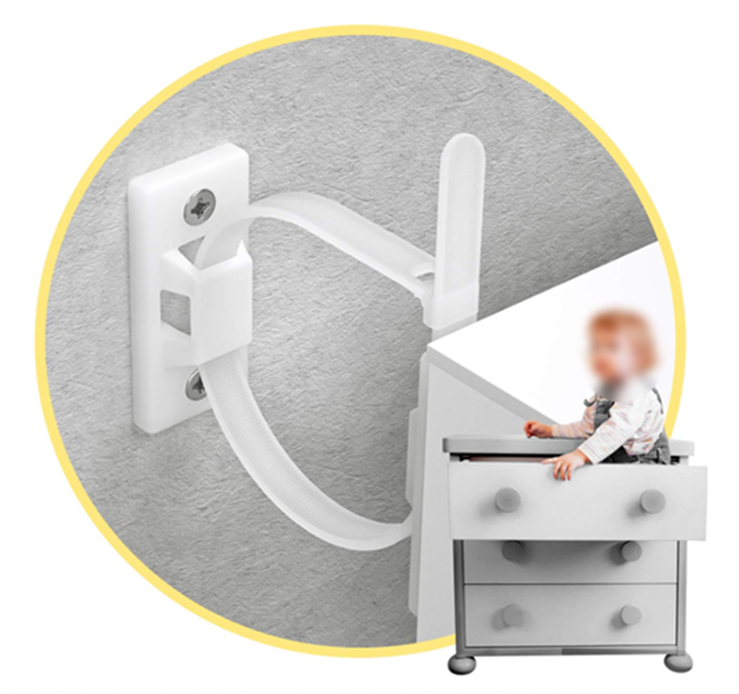
4our Kiddies Plastic Tip Restraint Kits
Home & GardenThe recalled plastic tip restraint kits (also referred to as furniture straps) can break or degrade, posing tip-over and entrapment hazards that can result in serious injuries or death to children or elderly consumers interacting with furniture that is secured to the wall with the defective plastic tip restraints. This is a hidden defect because consumers who purchase and install this product may be under a false sense of security that their furniture is safe from a tip-over incident.
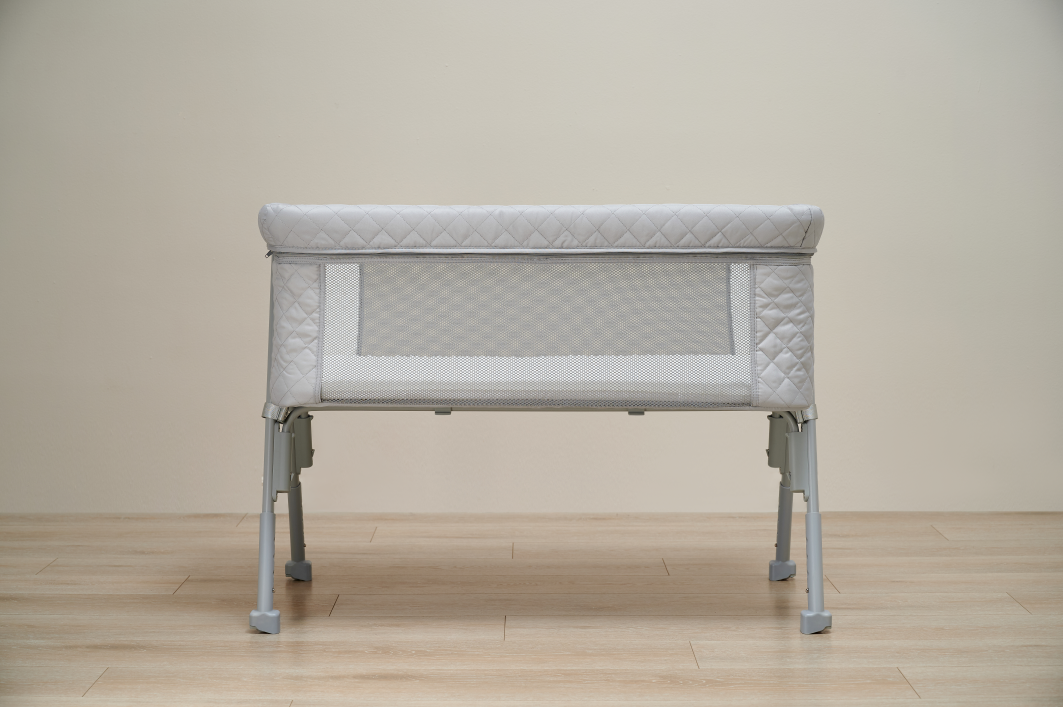
AirClub Convertible Bassinets
Baby & InfantThe recalled convertible bassinets violate the mandatory standard for bedside sleepers because the mechanism used to attach the product to the adult bed creates an opening between the bedside sleeper and mattress, posing a deadly fall hazard to infants.
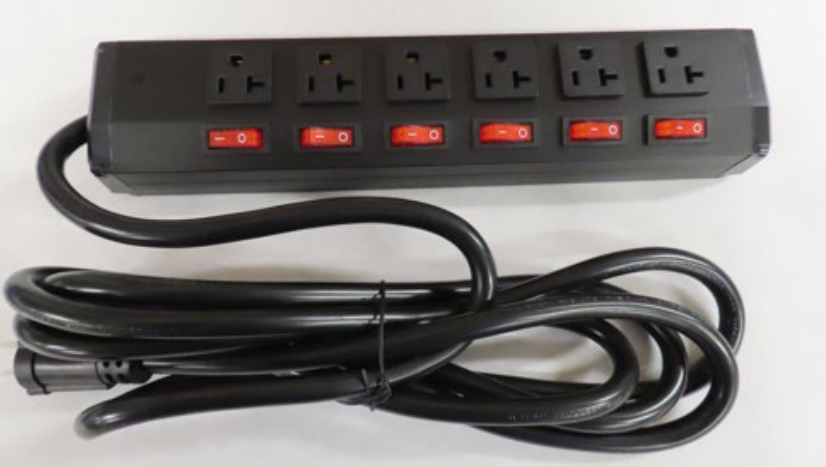
CCCEI Power Strips
ToysThe power strips do not contain supplementary overcurrent protection, which creates a risk of fire if the power strips are overloaded. The resulting fire can cause serious injury or death from smoke inhalation and burns.
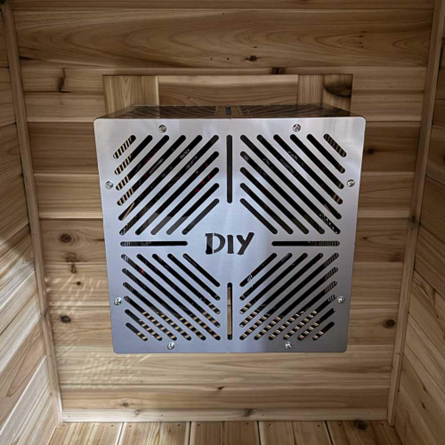
DIY Sauna Heater Kits
ElectronicsElectrical conductors within the sauna heater kits can overheat, posing a fire hazard and risk of serious injury or death.
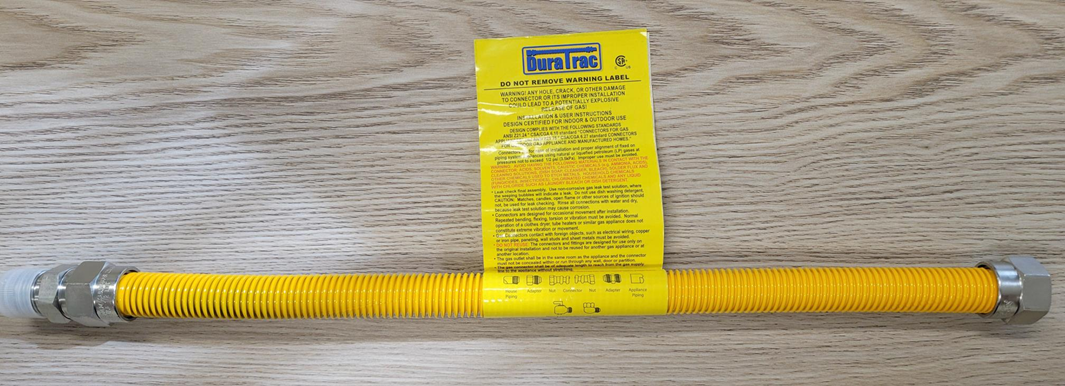
DuraTrac stainless steel gas connectors
Consumer ProductsThe recalled DuraTrac gas connectors contain a manufacturing defect that could cause a gas leak, posing a fire hazard to consumers.
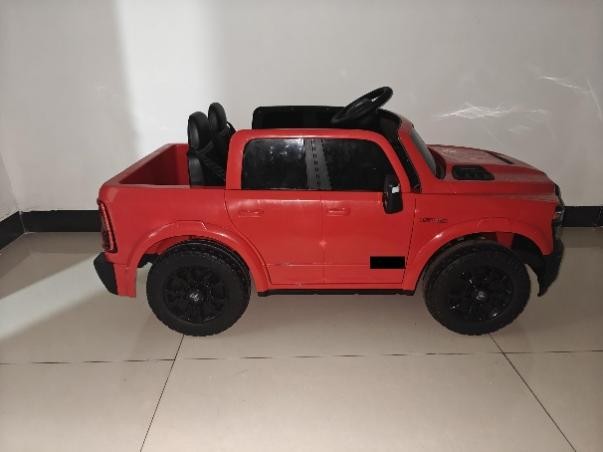
FUNTOK 24V 2-Seater Ride-On Trucks
Consumer ProductsThe truck's circuit board can overheat and ignite, posing fire and burn hazards.
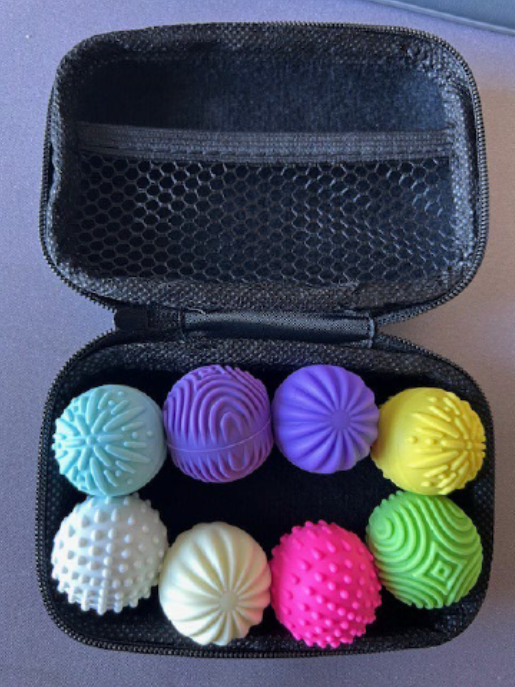
GLMZZ Fidget Magnet Ball Toys
ToysThe magnet ball toys violate the mandatory standard for toys because they are high-powered magnets, posing an ingestion hazard to children. When high-powered magnets are swallowed, they can attract each other, or other metal objects, and become lodged in the digestive system. This can result in perforations, twisting, and/or blockage of the intestines, blood poisoning and death.
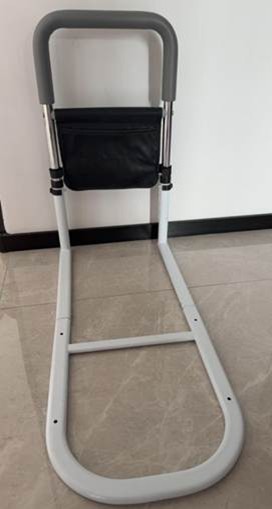
MPINOI Adult Portable Bed Rails
Consumer ProductsThe recalled bed rails violate the mandatory standard for adult portable bed rails because users can become entrapped within the bed rail, or between the bed rail and the side of the mattress, posing a serious entrapment hazard and risk of death by asphyxiation. In addition, the bed rails do not bear the required hazard warning labels.
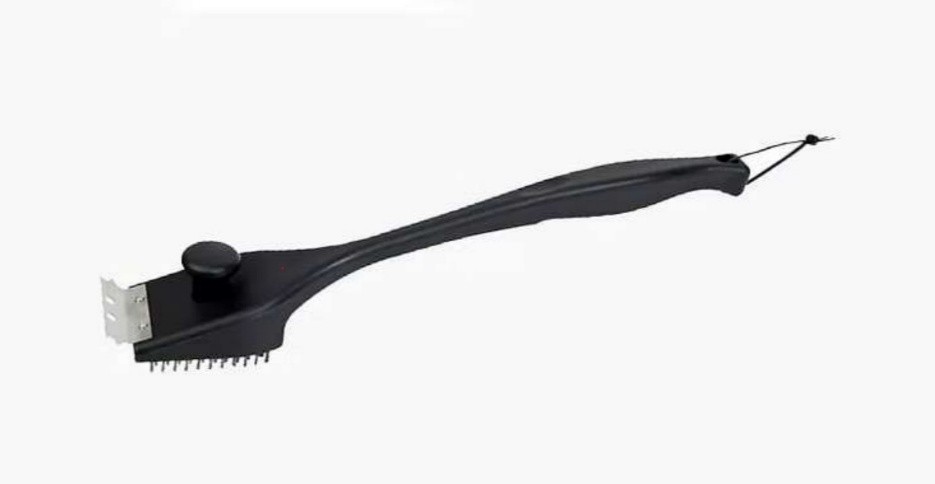
Metal Wire Bristle Grill Brushes
Home & GardenSmall metal wire bristles can detach from the brushes and stick to the grill or food, posing an ingestion hazard and risk of serious internal injuries that could require surgery.
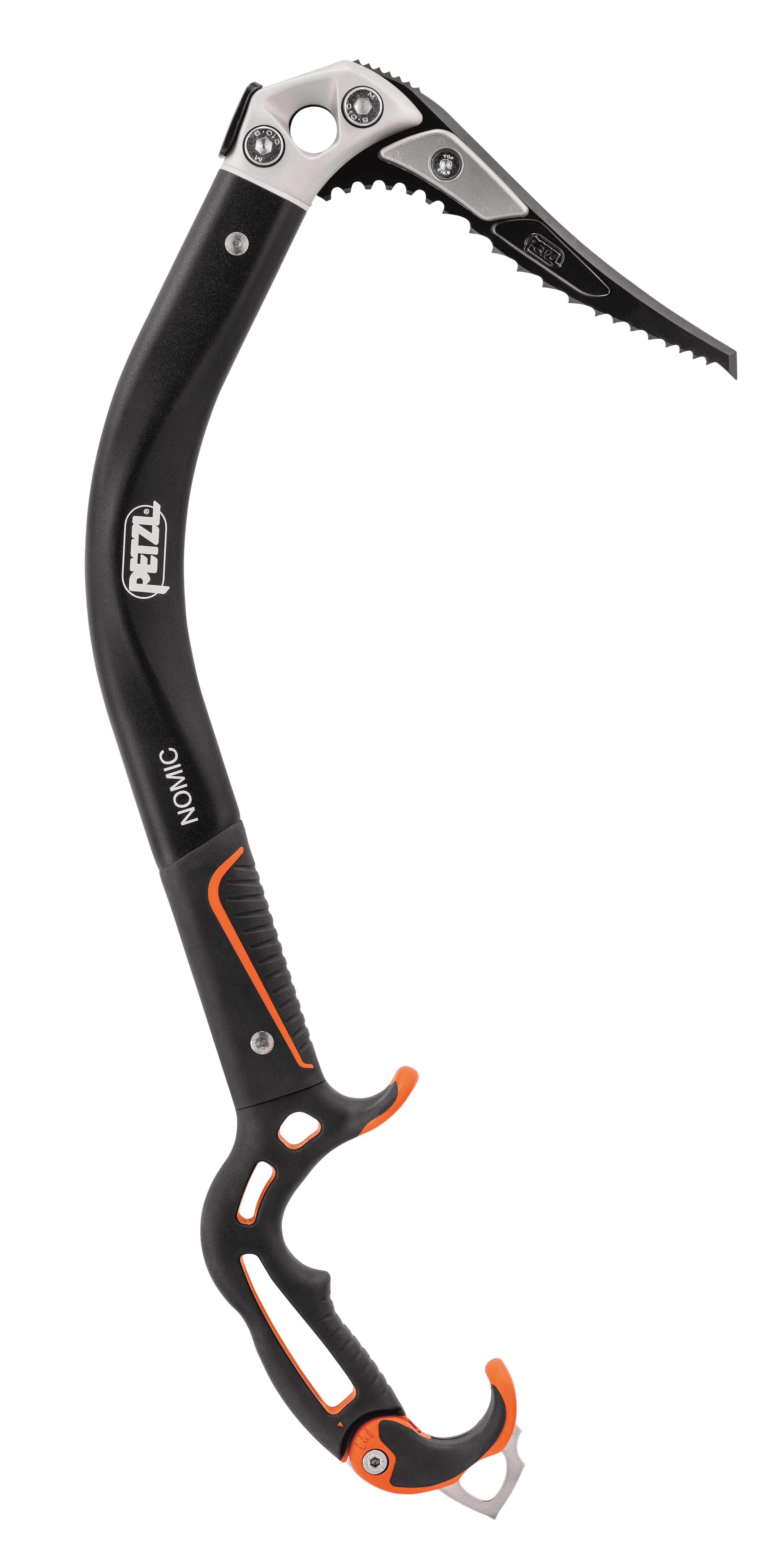
Nomic and Ergonomic Ice Climbing Axes
Consumer ProductsThe ice axe shaft can break at the handle during use, posing a fall hazard, which can result in serious injury or death.
Showing 10 of 20 recent recalls. View this week's recalls →
What To Do Next
Check if your product has been recalled
Search SaferProducts.gov for your product name, manufacturer, and category. Match against your actual supplier and model.
Review recalls in your category
Look at what hazards caused recalls for similar products. These are the exact failure modes testing labs and Amazon are watching for.
Verify your test reports cover the right hazards
If button battery ingestion is causing recalls in your category, make sure your test report includes button battery accessibility testing — not just general safety.
Run a compliance scan
A Prodovo Labs scan identifies every regulation that applies to your specific product, including the hazard areas flagged by recent recalls in your category.
Frequently Asked Questions
How do CPSC recalls affect e-commerce sellers?
How often does CPSC issue new recalls?
Can I sell a product similar to one that was recalled?
What should I do if my product is recalled?
How can I check if a product has been recalled?
Related Guides
Toy Compliance Requirements
CPSIA, ASTM F963, CPC requirements for toy sellers
Amazon Product Compliance
Documentation requirements and compliance sweep survival
Children's Product Compliance
CPSIA testing, CPC, and tracking label requirements
Electronics Compliance
FCC, UL, and electrical safety for sellers
CPSC eFiling Requirements
Import filing and compliance documentation
This Week's Recalls
Latest CPSC recalls from the past 7 days
Not sure if this applies to your product?
Run a free compliance scan and see exactly which regulations and recall risk areas apply to your specific product.
Start your free trial